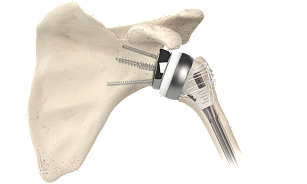
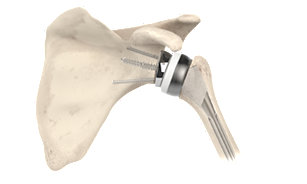
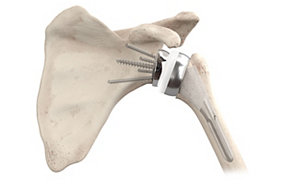
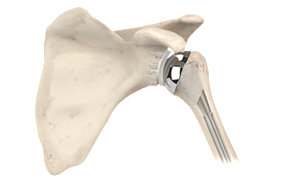
Since the early 1990’s, specific principles for Reversed Shoulder Arthroplasty have been used by European shoulder surgeons with unmatched clinical success. As a result, a growing number of surgeons in the United States have begun to utilize a unique prosthesis incorporating these specific principals and the associated surgical techniques that go with it.


“...prosthetic designs in which (1) the glenohumeral centre of rotation is medialized, (2) the deltoid muscle is elongated and (3) the humeral shaft is lateralized, have a favorable slope of their muscle angle-force curves.”
—De Wilde LF et al., 2004
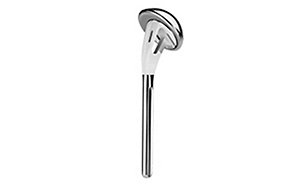
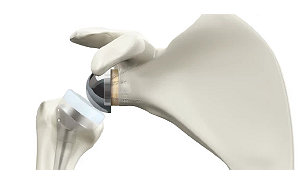
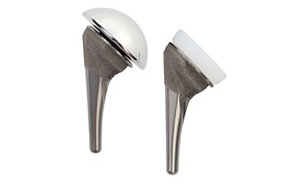
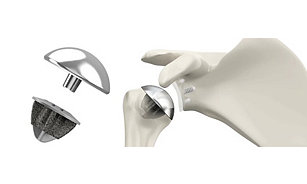
The Aequalis Reversed Shoulder Prosthesis was designed based on two bio-mechanical principles envisioned by Paul Grammont, M.D.. First, a medialized center of rotation located inside the glenoid bone surface and second, a 155 degree angle of inclination. Combined, they increase the deltoid lever arm by distalizing the humerus and make the prosthesis inherently stable.
The ‘Reversed’ technology is the result of over twelve years of clinical trials and rigorously documented research indicating the benefits of this product and the associated surgical techniques. The Aequalis has been the subject of dozens of research papers and articles in Europe and the United States.
The ‘reversed’ technology is the result of over twelve years of clinical trials and rigorously documented research indicating the benefits of this product and the associated surgical techniques. The Aequalis has been the subject of dozens of research papers and articles in Europe and the United States.2
The Aequalis Reversed Shoulder Prosthesis is indicated for patients with a functional deltoid muscle, as a total shoulder replacement for the relief of pain and significant disability following arthropathy associated with massive irreparable rotator cuff tear. This device is also indicated for the prosthetic revisions with massive and irreparable rotator cuff tear.
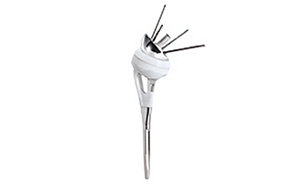
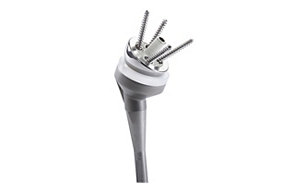
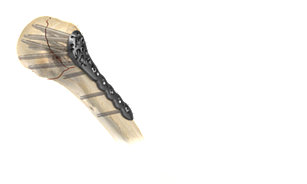
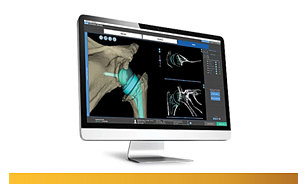
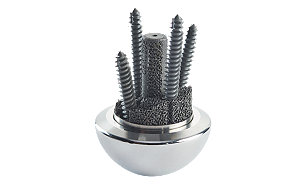
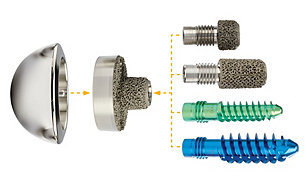
The baseplate design allows surgeons enhanced flexibility and accuracy when selecting screw angle placement with two 4.5 mm variable angle locking screws (capable of 0°-30°) and two 4.5 mm hemispherical head compression screws. This unique design provides the surgeon increased options for the standard cuff tear arthropathy patient to the more complicated rheumatoid or revision case. The G2 Baseplate is a 29 mm diameter press-fit design and a 15 mm or 25 mm central peg for primary fixation and stability.
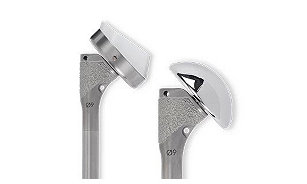
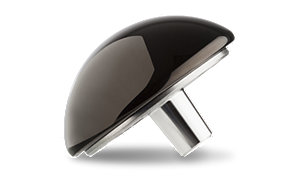
The glenoid sphere comes in diameters of 36 mm and 42 mm. The glenoid sphere taper lock and recessed set screw design lets the surgeon know with confidence that the glenoid sphere is properly seated. The set screw will not engage if the glenoid sphere is not fully seated and the morse taper is locked.
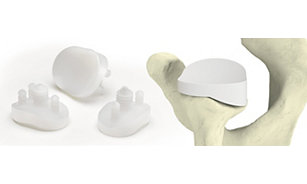
2 diameters: 36 mm and 42 mm
3 thicknesses: 6 mm, 9 mm, and 12 mm
Anti-rotational design
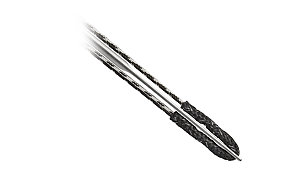
Laboratory tested, the circumferential barbed peg firmly locks the polyethylene insert into the threads of the metal metaphyseal component. This new technology greatly enhances the locking strength of the insert to the metaphysis, thus increasing the pull-out force needed to disassociate the insert from the metaphysis.
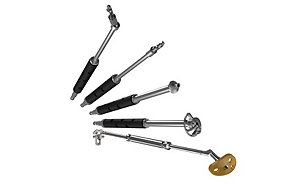
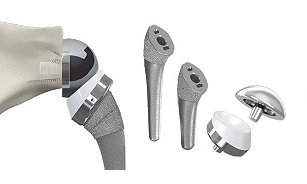
Additional components offer surgeons intraoperative flexibility to meet the varying needs and challenges of individual cases.
Optional spacers allow for an increase in lateralization and height of the prosthesis, especially in significant metaphyseal bone defects.
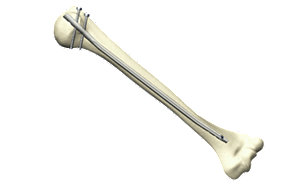
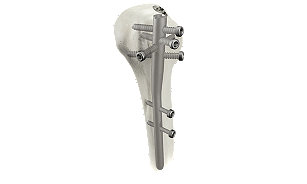
Both 36 mm and 42 mm diameter metaphysis options are an antidecoaptation design with a polyethylene plug for secure fixation. Additionally, the fluted stems are available in varying lengths (100 mm to 210 mm) and are designed for maximum flexibility and stability.
In the event of an intraoperative or postoperative glenoid fracture, the surgeon has the ability to easily convert the humeral component of the Aequalis Reversed into a hemi-prosthesis.
1. Boileau P, Watkinson DJ, Hatzidakis AM, Balg F. Grammont reverse prosthesis: Design, rationale, and biomechanics. Journal of Shoulder and Elbow Surgery (2005) 14(1): S147-S161.
2. Walch G, et al. Reverse Shoulder Arthroplasty. Montpellier: Sauramps Medical, 2006.